A Designer's Real-World Take on the We Don't Stop Hiking Embroidery Design
First Impression: A Friendly, Bold Statement for Outdoor Enthusiasts
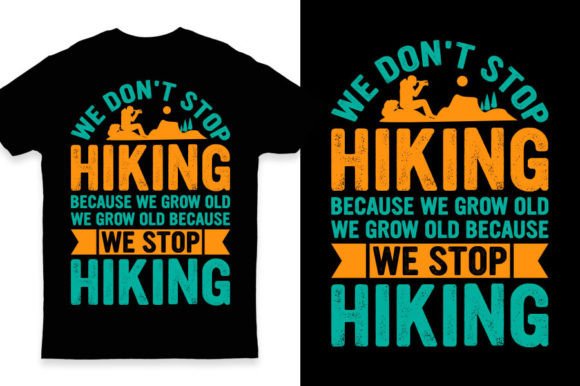
When I first opened the We Don't Stop Hiking T-Shirt Designs files, my immediate thought was, "This is perfect for a custom tote bag." The design has a confident, playful mood. It's not overly rugged or serious; it feels more like a cheerful declaration from someone who genuinely loves their weekend trails. The layout is straightforward and bold, which from an embroidery standpoint, is excellent news. It means clean, recognizable shapes that will translate well into stitches without losing their personality on fabric.
The Natural Habitat: Where This Design Thrives as an Embroidery Project
This isn't just a graphics file; it's a potential embroidery project with a very specific audience. I picture it on a sturdy canvas tote for a hiking club, embroidered onto the left chest of a cozy fleece sweatshirt for a gift, or even as a large, central motif on a baby’s quilt for an outdoorsy family. The theme resonates with a community, making it ideal for personalized gifts or small shop merchandise at a craft fair near a national park. For an Etsy seller specializing in outdoor-themed custom apparel, this design could become a core part of their collection.
Beyond the T-Shirt: Real-Life Embroidery Applications
The product description lists it as ready for t-shirts, but a designer's mind goes further. Here’s where I see the We Don't Stop Hiking design performing beautifully:
- Embroidered Patches: Its bold statement makes a fantastic standalone patch for a backpack or hat.
- Sweatshirt Embroidery: On a heavyweight sweatshirt, the design will hold up visually and physically through wear.
- Tote Bag Design: As mentioned, this is a prime candidate. The scale works, and the message fits the product's use.
- Aprons & Kitchen Towels: For the hiking chef or camper, it adds personality to functional items.
- Baby Embroidery: On a onesie or nursery pillow cover for a family that loves the outdoors.
- Holiday Embroidery: A great gift for a friend’s birthday or a Christmas present for a hiking partner.
Practical Considerations: Stitching This Design Successfully
The provided file formats—AI, EPS, SVG, PNG—are a good start for digitizing into an embroidery file. The claim of "100 vector shapes" and easy color change suggests clean outlines, which is crucial for converting to satin stitch and fill stitch areas without jagged edges. However, the real work begins in the hooping.
Where to Pay Extra Attention
My professional advice is to be cautious with:
- Small Hoop Sizes: If you try to shrink this design too much for a cap or a small baby item, the lettering detail might become muddy. Test it first.
- Textured or Stretchy Fabric: On a thin t-shirt or a very textured sweater, the stitch density needs to be adjusted to prevent puckering or distortion. A good stabilizer is non-negotiable.
- Dark Fabric Backgrounds: The design's visual appeal hinges on contrast. On dark fabrics, you'll need to carefully select bright, opaque thread colors to maintain stitching clarity.
- Curved Surfaces like Caps: The layout might need slight adjustment to sit correctly on the curved panel of a cap. Always do a test run.
Impact on Your Craft Business and Customer Perception
Using a design like this effectively boosts your product's value. It feels current and niche, which engages a specific buyer. For a craft business, it adds to brand consistency if you focus on outdoor or activity-themed products. The handmade presentation of an embroidered item, versus a printed one, instantly elevates the giftability and perceived quality. It shows professionalism in your execution. A well-embroidered We Don't Stop Hiking tote bag looks like a premium, thoughtful product, not a generic commodity.
A Real Scenario: Preparing a Custom Embroidered Sweatshirt
Let’s walk through a typical project. A client orders a custom sweatshirt with this design for her hiking group. My process would be: first, I'd test the digitized version on scrap sweatshirt fabric to check for any stitch density issues. I'd review the small details in the lettering to ensure they're clear. I'd then create mockups—both on a light and dark fabric texture background—to send to the client for color approval. The fact that color changes are reportedly easy in the vector files is a big plus here. Using proper stabilizer for the knit fabric, I’d confirm my hoop size can accommodate the design at the desired scale on the chest. The final result? A cohesive, durable piece that the group will recognize and appreciate, building customer trust for my shop.
Essential Designer Notes Before You Hoop the Fabric
Before you run this machine embroidery design for a commercial embroidery project or a personal gift, here are my non-technical, practical steps:
- Always test on scrap fabric first. This is your safest bet to see how the design behaves with your chosen thread and material.
- Check thread color contrast meticulously. Play with the palette. The design’s mood can change dramatically with color choices.
- Inspect the small details in your digitizing software. Ensure corners and tight spaces are translated into clean stitch paths.
- Compare it in black and white mockups. This helps you judge the design's form separate from its color, which is vital for stitching clarity.
- Confirm the licensing terms. The product description doesn’t specify licensing. It is critical to verify whether you can use this for finished products you sell, as a digital product preview, or for printable mockups before you list any item for sale.
- Consider the end product's lifespan. For items needing frequent washing, like baby clothes or kitchen towels, a robust embroidery execution (good stabilizer, quality thread) will maintain the design’s integrity.
Final Judgment: A Versatile, Mood-Driven Asset for Makers
The We Don't Stop Hiking T-Shirt Designs bundle is more than a set of design assets. For an embroiderer, it’s a starting point for a range of meaningful projects. Its strength is its clear theme and bold composition, which, when stitched well, creates a high-impact, professional-looking finished product. It fits naturally into the world of handmade products for a passionate niche. My recommendation is to approach it with a designer's eye: respect its scale, tailor it to your fabric, and leverage its friendly, outdoorsy personality to create something your customers will genuinely love to use or wear. That’s the real test of a good embroidery design.