Bringing Dog Graphic Designs to Life in Local Branding
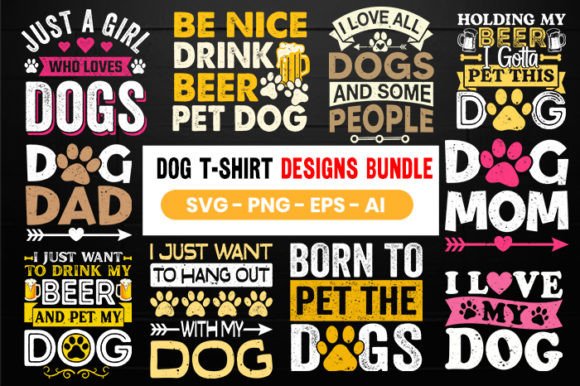
As a brand designer reviewing assets for a real project, the first impression of the Dog T-Shirt Designs Bundle is critical. It immediately sets a mood that is playful, friendly, and deeply community-oriented. This is not a sterile, corporate asset; it feels handmade, warm, and personal. For a local business owner, this suggests a brand personality that is approachable, community-focused, and built on emotional connection. It fits a business that values storytelling and personal touch over cold efficiency.
The Strategic Fit for a Real Boutique Project
Imagine I’m rebranding a small-town bakery that doubles as a dog-friendly cafe. The owner wants packaging and promotional materials that reflect her love for canine companions and the warm atmosphere of her shop. This Dog T-Shirt Designs Bundle isn't just clipart; it's a potential cornerstone for a cohesive visual identity. The graphics suggest a rustic, decorative feel that can translate beautifully onto paper bakery bags, coffee cup sleeves, and window decals. The style leans toward organic and playful, which is perfect for a business that isn't trying to be a sleek, minimalist chain but rather a beloved local spot.
Translating Graphics into Physical Brand Touchpoints
In practical terms, how does this bundle move from a digital product to a tangible brand experience? For that bakery, the key applications would be product labels for homemade dog treats, decorative accents on pastry boxes, and hero graphics for her seasonal "Yappy Hour" promotional posters. The designs can be adapted as a secondary logo element, appearing on her business cards and website banner alongside her primary logo. They would become the visual glue for her thank-you cards, loyalty program stickers, and even simple menu graphics highlighting dog-friendly items.
Using these graphic design assets across these touchpoints builds a stronger first impression. A customer receiving a treat bag with a charming dog illustration feels an immediate emotional connection. It makes the product recognition clearer—this bakery is the dog-loving one. It creates a more consistent brand identity from the social media post announcing new treats to the physical packaging in the customer's hand. This consistency, in turn, improves customer trust and presents a more professional, intentional packaging system, even for a small operation.
Where This Design Asset Creates Maximum Impact
The bundle's strength lies in its decorative, emotive quality. It works best as a supporting player, not the sole star. For product labels, especially on items with simpler layouts like jars of dog-safe cookie mixes or candle tins from a handmade seller, these graphics provide perfect shelf appeal. They are ideal for packaging accents—think a small illustration on the corner of a gift box from a boutique. As hero graphics for promotional banners announcing a "Dog Days of Summer" sale for a florist or home decor shop, they immediately communicate the campaign's theme.
They can elevate product mockups for online stores, add a branded touch to printable inserts included with orders, and become the central visual for social media campaign graphics celebrating pet-friendly initiatives. For a children’s product brand or a skincare line using pet-inspired branding, these elements add a layer of storytelling to thank-you cards and seasonal packaging, making the brand feel more thoughtful and connected.
Navigating Potential Limitations in Commercial Design
However, a professional review must also note where such a decorative asset should be applied carefully. It would not suit formal corporate branding for a veterinary clinic's legal documents. On very small labels, like tiny ingredient lists, the detail might become lost or muddy. If used on already crowded product packaging, it could compete for attention and weaken the visual hierarchy. It should be kept separate from areas dense with text, like nutritional information or safety warnings.
For a luxury minimalist brand aiming for a stark, sophisticated look, this playful bundle would likely clash. The key is to let the decoration complement, not compete. It should enhance the message, not obscure it.
Practical Designer Notes for Business Implementation
Before committing this asset to a client's brand identity or physical product sales, several hands-on tests are essential. First, I would test it on real packaging mockups at actual scale—how does it look on a 3" x 2" label versus a full-page poster? Checking its usage in black and white is crucial for any low-cost printing scenarios a small business might use. Previewing it on small labels ensures readability.
I would test it alongside the brand's chosen typography—how does it pair with a clean sans serif font versus a playful script font? This comparison dictates whether it feels cohesive. Crucially, reviewing the actual file formats for print quality, PNG transparency for digital overlays, and SVG or vector editability for customization is a non-negotiable step. Can the local coffee shop owner easily change the color of the scarf on a dog illustration to match her brand palette?
Finally, and most importantly, confirming the commercial licensing is paramount. Using a graphic design asset for client work, business branding, or physical product sales requires clear, legal rights. This due diligence protects the business owner and ensures the investment in this digital product supports long-term, professional branding.
In conclusion, the Dog T-Shirt Designs Bundle offers a valuable toolkit for building a warm, community-focused local brand. Its value isn't in being a standalone logo, but in enriching a brand's visual story across packaging design, marketing visuals, and customer interactions. When applied strategically—enhancing labels, unifying promotional materials, and creating emotional resonance—it can transform a small business's presentation from generic to genuinely beloved.